
Are you someone who feels a constant ringing in your ears? Or have you struggled to hear clearly during conversations this month? Or maybe none of this, but if you are facing sudden dizziness, then you are reading the right blog.
Many of us brush these kinds of signs off as fatigue or age-related changes; however, these signs are related to deeper health concerns hearing loss or a balance disorder.
According to the Indian Council of Medical Research (ICMR), nearly 63 million people in India suffer from significant auditory impairment. And the most shocking part of this is that a large portion of this population remains undiagnosed for years. And often, this hearing issue is silently accompanied by balance disorders and even vertigo.
Whether you’re seeking a Vertigo Clinic in Kolkata, a Balance Disorder Clinic in Kolkata, or simply want to know the meaning of hearing impaired, this blog will serve as your complete guide.
Types Hearing of Loss
Before we dive deep, let us understand the types of hearing loss commonly seen in India:
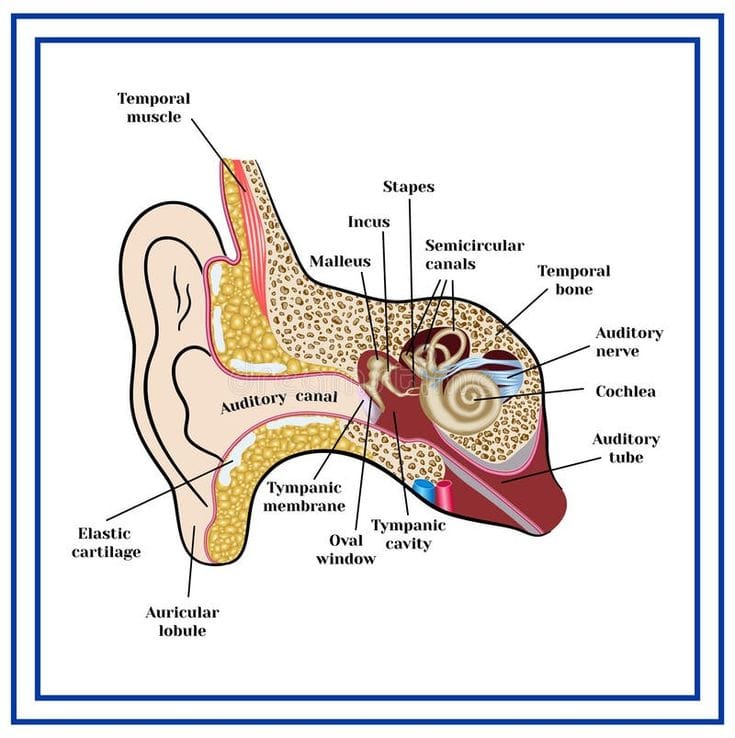
- Conductive Hearing Loss – Caused by problems in the outer or middle ear (e.g., earwax blockage, infection).
- Sensorineural Hearing Loss – A result of inner ear or nerve damage, often permanent.
- Mixed Hearing Loss – A combination of both conductive and sensorineural types.
Each type demands a different approach, which is why timely diagnosis is essential.
Think you or a loved one might have hearing trouble? Don’t wait! Book an appointment in our Vertigo and Deafness Clinic in Kolkata today!
What Are the Hearing Loss Symptoms?
If you can spot your symptoms early on, then it can significantly help your diagnosis and treatment. Here is a list of the symptoms-
- Asking others to repeat themselves frequently
- Difficulty understanding speech, especially in noisy environments
- Muffled hearing, like listening through cotton
- Ringing in the ears (tinnitus)
- Trouble hearing high-pitched sounds (birds chirping, doorbells, etc.)
- Turning the TV or radio volume higher than others prefer
- Withdrawal from conversations or social situations
- Dizziness or problems with balance
If you feel some of these symptoms are relevant, then it might be time to explore the hearing impairment and consult an ENT specialist.
What Are the Causes of Hearing Loss?
Hearing loss can occur due to various factors. Some of these are avoidable, and some are not. Here are the most common causes:
1. Age-related Hearing Loss (Presbycusis)
A natural decline in hearing ability comes after the 60s.
2. Noise-induced Hearing Loss
Continuous exposure to loud noise, factories, construction sites, loud music, can damage inner ear hair cells.
3. Ear Infections or Fluid Buildup
Mostly common in children. Chronic ear infections can impair hearing.
4. Genetic Factors
Inherited conditions or family history also affect issues related to hearing impairment.
5. Ototoxic Medications
Some antibiotics, chemotherapy drugs, and diuretics can harm the auditory nerve.
6. Injury or Trauma
Head injuries can cause nerve damage or eardrum rupture.
7. Underlying Health Conditions
Diseases like diabetes, high blood pressure, or Meniere’s disease can impact hearing.
Complications of Untreated Hearing Loss
It is important here to understand that untreated hearing loss is not only about missing out on conversation, but it can create major issues in your daily life, both personal and professional.
- Social Isolation: Many of us tend to withdraw from social situations out of embarrassment.
- Cognitive Decline: Studies have found that there is a link between hearing loss and mental deterioration. This includes Dementia as well.
- Depression and Anxiety: Constant communication challenges can affect mental health.
- Balance Disorders: Hearing is directly connected to your balance system. Loss of hearing often leads to instability and vertigo, too.

How is Hearing Loss Related to Vertigo?
It might be surprising for you to learn that hearing loss and vertigo are closely connected. This is because our inner ear not only controls our ability to hear but also our ability to balance.
The vestibular system, located in the inner ear, sends signals to the brain to maintain balance. When there’s a disruption for a cause like infection, inflammation, or injury, it can lead to vertigo. Vertigo feels like a sensation that everything around you is spinning.
Here is a list of common conditions that are generally linked to vertigo
- Meniere’s Disease: This disease is characterized by hearing loss, vertigo, and tinnitus.
- Vestibular Neuritis: This is an infection of the vestibular nerve, causing dizziness and sometimes hearing issues.
- Labyrinthitis: It’s an Inflammation of the inner ear affecting both balance and hearing.
- Acoustic Neuroma: A benign tumor on the auditory nerve that causes progressive hearing loss and imbalance.
If you are someone who is experiencing dizziness along with auditory issues, it’s best to consult a Vertigo doctor in Kolkata or visit a Balance Disorder Clinic in Kolkata for a full evaluation. Don’t delay your appointment.
Prevention: Can Hearing Loss Be Avoided?
If this blog does not sound relatable to you, but has made you concerned, then don’t worry, we have got you covered. Hearing impairment related to genetics and age can’t be prevented, but hearing impairment caused by any other reason can surely be prevented. Here’s how
- Protect Your Ears from Loud Noises- You can use earplugs in noisy environments. Avoid listening to music at full volume.
- Practice Good Ear Hygiene- Avoid inserting objects into your ear canal.
- Get a Regular Hearing Test- if you are someone who is over 40 or someone who works in noisy settings.
- Manage Chronic Conditions- Control diabetes, hypertension, and thyroid problems as they impact ear health to a good extent.
- Be Cautious with Medications- Check with your doctor before taking any drug that may affect hearing. You can also consult an ENT or vertigo doctor in Kolkata.
- Avoid Smoking and Alcohol Abuse- These habits reduce blood flow to the inner ear.
By staying proactive, you can protect your hearing and avoid the risks of vertigo and balance disorders.
When to call a vertigo doctor in Kolkata-
If you or your loved one notices any of the following, don’t wait:
- Persistent or sudden hearing loss
- Frequent dizziness or feeling of imbalance
- Ringing in the ears (tinnitus)
- Trouble understanding speech
- Repeated ear infections
Our specialized Vertigo Clinic in Kolkata is one of the best balance disorder clinics in Kolkata are equipped with advanced diagnostic tools like Audiometry tests, Videonystagmography (VNG), etc.
Our experienced Vertigo doctor in Kolkata, Dr. Anirban Biswas, provides holistic treatment plans, including: Book your consultation today, your hearing and balance deserve expert care!
Final Note
Understanding the hearing impairment and acting early can dramatically improve life quality. Hearing loss isn’t just a minor inconvenience, it’s a medical condition that can affect your mental health, social life, and physical balance.
Don’t let the early signs of hearing loss go unnoticed. With access to top-tier specialists at our Vertigo Clinic in Kolkata and Balance Disorder clinic in Kolkata, you no longer need to suffer in silence.
Your ears are your gateway to the world treat them with care.
Frequently Asked Questions (FAQs)
1. What are the early signs of hearing loss?
Difficulty hearing in crowds, asking people to repeat, ringing in ears (tinnitus), and needing higher TV volume.
2. Can hearing loss cause vertigo?
Yes. The inner ear controls both hearing and balance. Conditions like Meniere’s or labyrinthitis can cause both symptoms.
3. Is hearing loss always permanent?
No. Some types (like those due to wax or infection) are temporary, while others may be permanent.
4. When should I see a vertigo specialist?
If you have sudden hearing loss, frequent dizziness, or ringing in the ears, consult a vertigo doctor in kolkata or ENT specialist immediately.